In today’s digital-first world, businesses have more ways than ever to reach their customers. Among these, email and SMS marketing remain two of the most powerful channels. Both offer direct communication with your audience, but knowing when to use each can significantly boost engagement, conversions, and overall ROI. In this guide, we’ll break down email vs SMS marketing, explore their strengths and weaknesses, and give you practical tips for choosing the right approach for your business.
Table of Contents
What is Email Marketing?
Email marketing is a well-established form of digital marketing that involves sending commercial messages to a group of subscribers via email. Businesses use it to share newsletters, promotions, product launches, event invitations, or educational content. The main goals are to build relationships, generate leads, and drive sales over time.
Why Email Marketing Works:
It allows for detailed content and storytelling.
It can be highly personalized using subscriber data.
Automation tools make it easy to nurture leads without manual effort.
What is SMS Marketing?
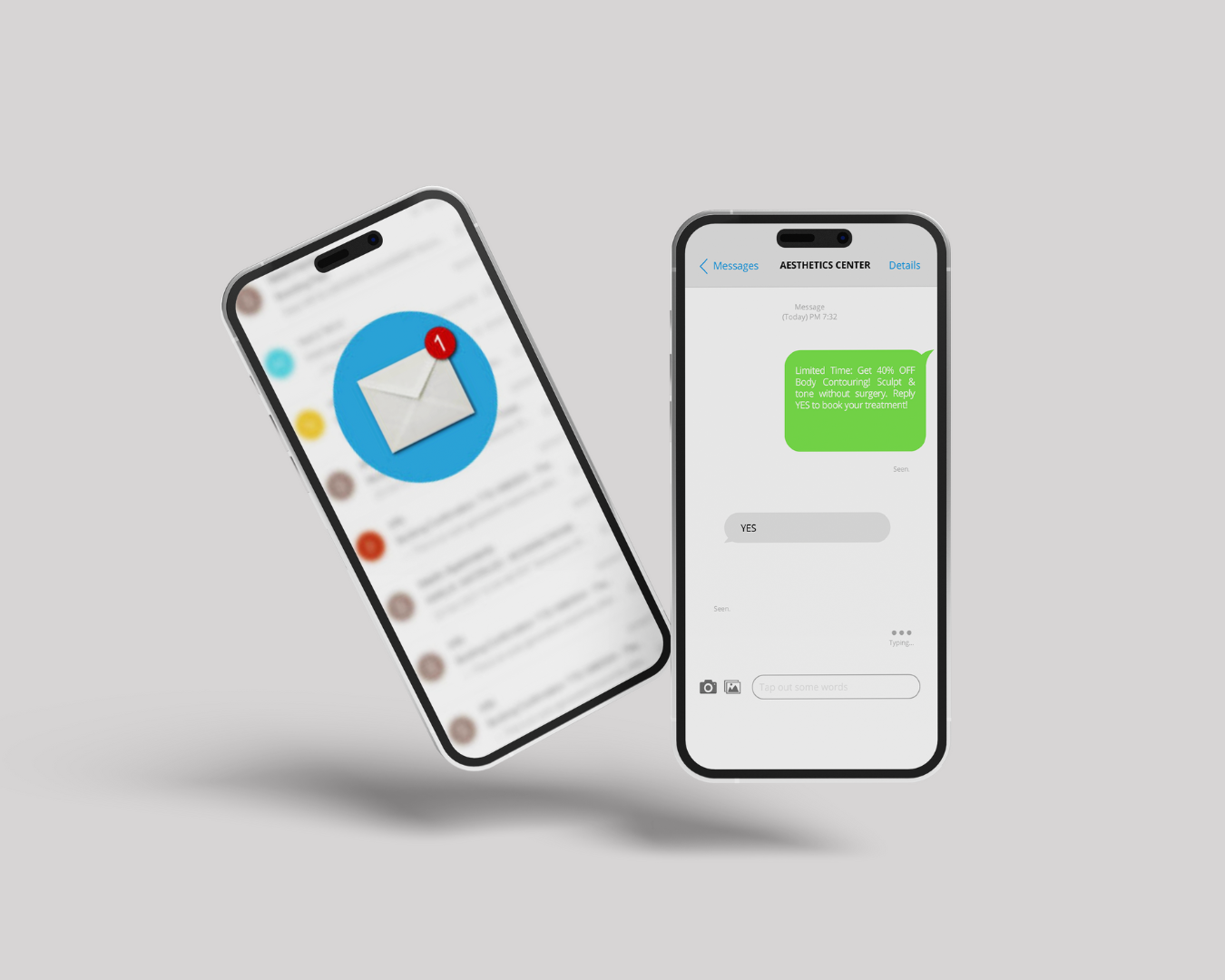
SMS marketing, by contrast, uses text messages to reach customers directly on their mobile devices. It’s especially effective for time-sensitive messages, such as flash sales, appointment reminders, and order updates.
Why SMS Marketing Works:
Texts are read almost immediately, often within minutes.
Messages are short, concise, and easy to digest.
- SMS feels more direct, reaching customers on a device they check frequently.
Pros and Cons of Email Marketing
Pros
Wide reach: With over 4 billion people using email worldwide, this channel allows businesses to reach a vast audience. Emails can be sent to large groups simultaneously, making it an efficient way to share updates, promotions, and news.
Trackable results: Email platforms provide detailed metrics, from open and click-through rates to bounce and unsubscribe rates. These insights help businesses understand their audience and continuously improve campaign performance.
Audience-specific messaging: Segmentation features let businesses tailor emails to specific audiences based on interests, behaviors, or past interactions. This increases engagement and the likelihood of conversions.
Cost-effective: Compared to traditional advertising or paid media, email is an affordable way to reach customers. Sending bulk messages comes at a relatively low cost while maintaining high potential reach.
Branding and design flexibility: Emails can reflect a brand’s personality through design, imagery, and creative content. This helps strengthen brand recognition and appeal.
Personalized outreach at scale: Modern email tools allow for personalized messages using recipient names, locations, purchase history, or preferences, making content feel relevant and engaging.
Cons
Inbox overcrowding: The average person receives over 100 emails per day, many of them promotional. This creates email fatigue, making it harder for any single message to stand out.
Deliverability challenges: Roughly 1 in 5 emails never reaches the intended inbox. Factors like sender reputation, email list quality, and frequency of emails can affect whether a message is delivered successfully.
Filtering algorithms: Providers like Gmail and Outlook use filters to protect users from unwanted messages. Even well-crafted campaigns can sometimes get flagged, reducing visibility.
Low attention duration: With consumers increasingly distracted, longer emails may struggle to hold attention. Research shows that Gen Z, in particular, may lose focus on marketing content in seconds.
Moderate open rates: Despite segmentation and personalization efforts, the average email open rate hovers around 20–25%, meaning many messages may never be read.
Pros and Cons of SMS Marketing
Pros
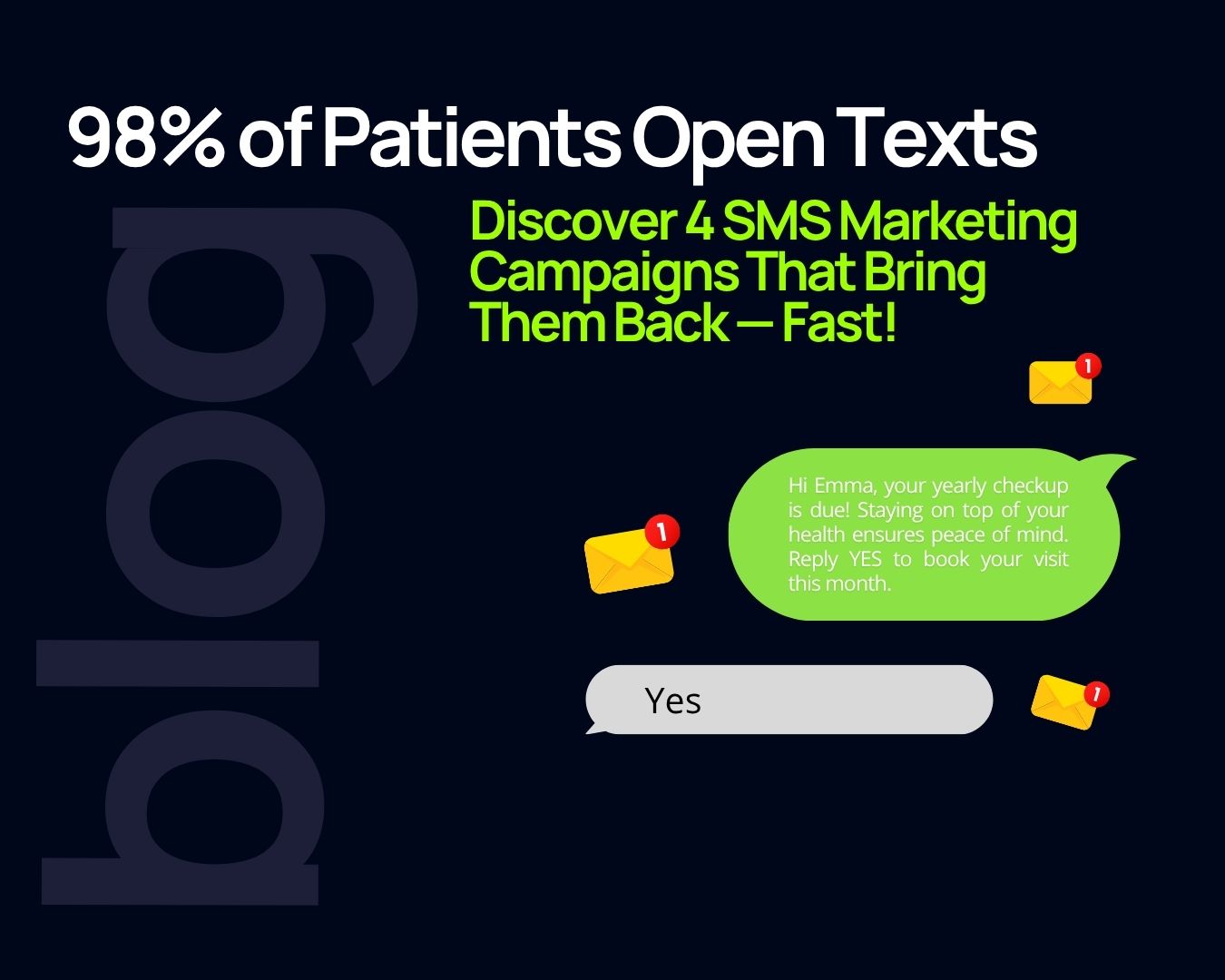
Extremely high open rates: Text messages are almost guaranteed to be seen, with an average open rate of 98%. Most messages are read within minutes, making SMS highly effective for timely communication.
Immediate delivery: SMS reaches customers in real time. Messages can be sent in seconds and are typically opened within minutes.
Concise and easy to read: Designed for short messages, SMS is perfect for clear, digestible communication. Even with character limits, the simplicity helps drive quick understanding and action.
Conversational tone: Text messaging feels personal and direct. Its back-and-forth nature allows brands to communicate casually, making it ideal for conversational campaigns or customer support.
Highly engaging audience: Since SMS requires explicit opt-in, your contact list naturally consists of people who want to hear from your brand. This makes SMS campaigns more likely to prompt action and interaction.
Seamless opt-in and opt-out experience: Compliant SMS campaigns make it easy for customers to subscribe or unsubscribe. Whether through a website form, checkout option, or QR code, clear opt-in procedures build trust and improve engagement.
Cons
Limited message length: SMS messages are capped at 160 characters, and even MMS has a maximum of 1,600 characters. This makes it challenging to communicate detailed or complex information.
Higher per-message costs: Although individual text messages are inexpensive, SMS typically costs more per send than email, which can add up for larger campaigns.
Risk of audience fatigue: Because text messaging is a highly personal communication channel, sending messages too frequently may feel intrusive and lead to opt-outs or reduced trust.
Strict regulatory requirements: SMS marketing is subject to strict regulations, such as the Telephone Consumer Protection Act (TCPA). Businesses must obtain explicit consent, provide clear opt-out options, and follow approved sending hours to remain compliant.
When to Use Email Marketing vs. SMS Marketing
Choosing between email vs SMS marketing should begin with the message itself, not the channel. The most important consideration is what the customer needs at that specific moment.
SMS marketing works best when immediacy matters. It’s ideal for time-sensitive promotions, limited-time discounts, single-product offers, review requests, appointment reminders and confirmations, security alerts, real-time updates, and situations that benefit from two-way communication. These messages are short, direct, and designed to prompt quick action.
Email marketing, on the other hand, is better suited for messages that require context, explanation, or more time to read. This includes newsletters, company news or press announcements, educational content, receipts, and account summaries. It’s also ideal for highly visual campaigns, multi-product promotions, and non-urgent updates. Email works especially well for one-way communication where detail and structure are important.
The most effective marketing strategies use both channels together. For example, an SMS can notify a customer about an important update, while a follow-up email provides the full details. When email and SMS are aligned, brands create smoother, more intentional customer journeys that improve clarity, engagement, and results.
The Power of Combining Email and SMS Marketing
Email vs SMS marketing isn’t about picking a winner, it’s about using each channel where it performs best. Today’s customer communication is naturally multi-channel, and email and SMS serve different but complementary purposes.
When businesses align email and SMS strategically, they can increase engagement, streamline communication, and deliver smoother experiences at every stage of the customer journey.
Accelerate your Email and SMS Campaigns with Filia Digital
At Filia Digital, we combine proven marketing strategies with advanced CRM technology to help businesses work smarter, not harder. Our AI-powered CRM streamlines marketing and sales processes, centralizes customer data, and automates repetitive tasks, allowing your team to focus on growth. By leveraging real-time insights and segmentation tools, businesses can deliver highly personalized campaigns, increase engagement, and drive more conversions.
Whether it’s managing email and SMS campaigns, tracking customer interactions, or analyzing performance metrics, our platform provides the tools to optimize every step of the customer journey. Schedule a call with our expert team today to discover how email and SMS marketing can help grow your business.